There’s no system you rely on more than your plumbing, which usually stays out of sight and out of mind. But like anything else, your home’s piping has a finite lifespan, and knowing the signs that it needs replacement can save you a lot of time, money, and stress. In this guide, we’ll explain the top signs that you need repiping in your New Jersey home, look at whether repair or replacement is the better option, and go over what to expect from the repiping process.
How Long Does Plumbing Typically Last in a New Jersey Home?
Depending on the type of pipes used in your plumbing system and exterior factors, such as nearby soil conditions and water composition, your plumbing system will last between 40 and 100 years in New Jersey. At some point in this timeframe, you’ll need pipe replacement to avoid unexpected problems with your system later on.
What Is Whole-Home Repiping?
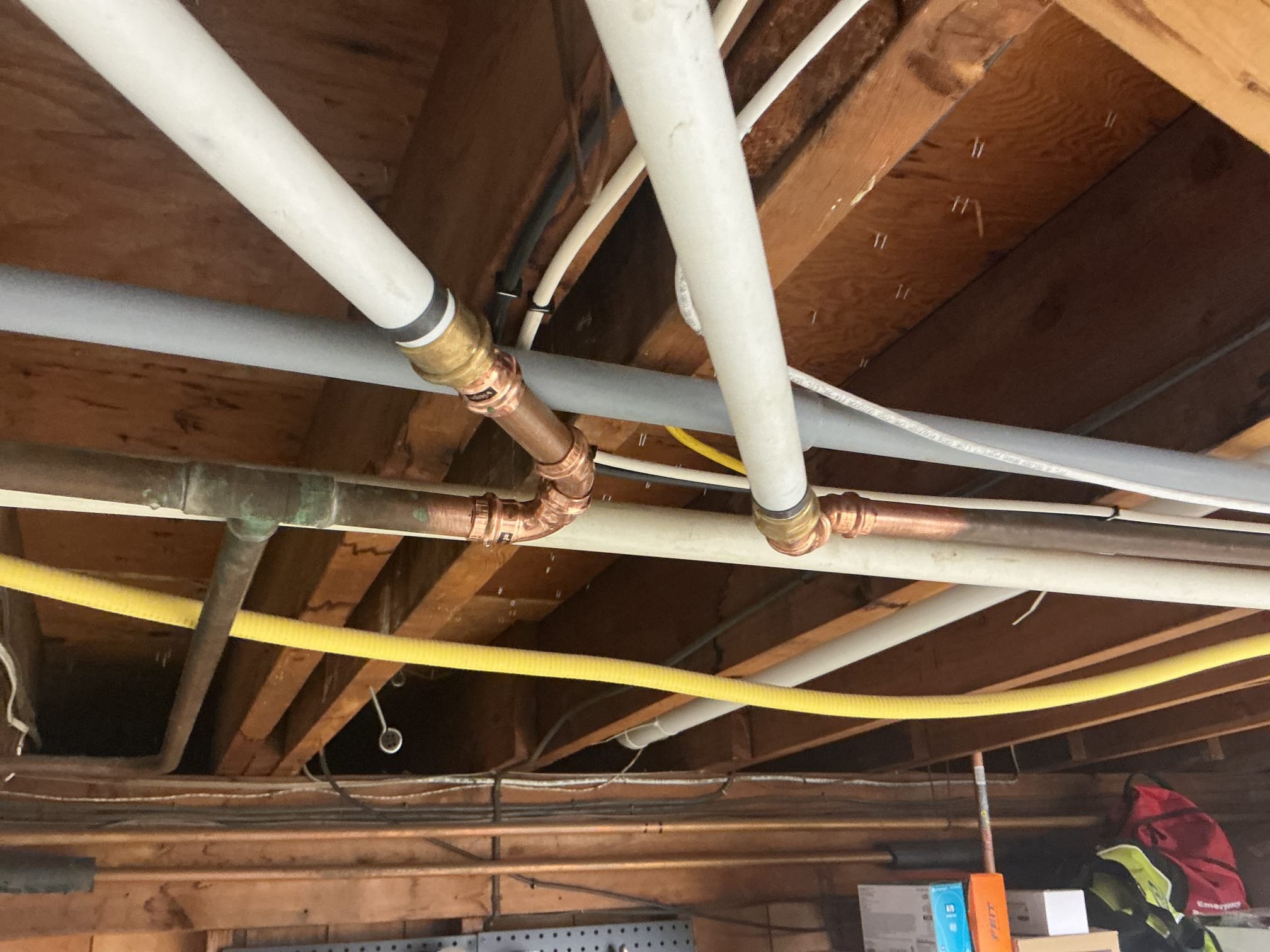
Whole-house repiping is the process of replacing all plumbing in the home. This includes the hot and cold water pipes, sewage line, main water line, valves, and connections to all the fixtures and appliances in the home. It’s a major project, but one that ensures your home stays safe and well-supplied with water for decades to come.
Signs Your Home May Need Repiping
How do you know when it’s time to start inquiring about repiping services? Here are the top signs for New Jersey homeowners to be aware of:
Frequent plumbing leaks
One of the most obvious signs that you need pipe replacement is frequent plumbing leaks. These might be obvious and visible, or you may need water leak detection services to locate the issue. Leaks are a sign of severe pipe damage, and finding one can sometimes mean there are more elsewhere in the system. If you keep finding leaks, have a pro inspect your plumbing as soon as possible.
Rust-colored or discolored water
Another sign of deteriorating piping is rusty or discolored water. This can happen with outdated materials, such as galvanized pipes made of steel, which corrode over time. Not only is consuming rusty residue harmful to your health, but it also means your pipes are very damaged and will need to be replaced sooner rather than later.
Low water pressure throughout the home
If a hidden water leak is allowing water to flow out of your plumbing system, it will reduce the water pressure throughout the home. If you’re noticing a steady drop-off in pressure, don’t ignore the issue. You’ll need leak detection services to find the issue, which can then be resolved through either pipe repair or whole-home repiping.
Visible corrosion or pipe damage
Because most of your plumbing system is hidden behind walls, under floors, or buried in your yard, it’s not always easy to spot damage without special techniques. But if you can see any corrosion or other damage on exposed pipes, it means there’s probably even more damage in areas you can’t see. Have your system inspected before a bursting pipe puts your home and safety at risk.
Recurring pipe repairs
If it feels like you’re constantly paying for pipe repairs, it’s a good idea to cut your losses and repipe your home. While occasional repairs aren’t necessarily something to worry about, constant issues mean the entire system is deteriorating and should be replaced.
Your home still has older plumbing materials
If your home still uses outdated plumbing materials, it’s always a good idea to replace them before they fail and cause catastrophic damage in the home. Materials like galvanized steel, lead, clay, and cast iron are common in New Jersey’s older areas, such as Newark, Jersey City, Paterson, Trenton, and Ridgewood. These types of piping are much more likely to fail and should be proactively replaced if possible.

Repair or Repiping: How Do You Know Which Option Makes Sense?
How do you know whether to repipe your whole home or simply make repairs as needed? Here are some tips to help you make the right decision:
When repair makes sense
Pipe repair makes sense when dealing with unique, standalone issues in a single spot. This might include a pipe bursting in freezing temperatures or a single connection forming a leak. You should only repair pipes that are made of relatively new materials in good condition, such as PEX, PVC, or copper.
When to consider repiping
If you’re dealing with repeat leaks, continuous issues with water pressure or quality, or are worried about a hidden slab leak compromising your home’s foundation, you should strongly consider whole-home repiping. We also recommend repiping if your home uses outdated materials, as it’s only a matter of time before these archaic pipes fail.
If you’re not sure whether to repair or replace your pipes, talking to an experienced plumber is your best bet to help make the decision.
The Benefits of Repiping an Older Home
There are many, many reasons to repipe your older New Jersey home, including:
- Removing rust, sediment, heavy metals, and other contaminants from your water
- Improving the taste and odor of your water
- Improving water flow and pressure by removing sediment and scale buildup from pipes
- Using multiple fixtures and appliances simultaneously without drops in flow
- Saving money when compared to years of ‘one-off’ repairs on a failing plumbing system
- Preventing catastrophic water damage and hazardous mold growth caused by leaks
- Preventing pipes from bursting in winter
- Enhancing appliance efficiency
- Boosting home resale value
- Improving home insurance coverage
What to Expect During a Whole-Home Repiping Project
Whole-home repiping is a major project, though we always strive to complete it with as little disruption to your home and daily routines as possible. Here’s what you can expect from the process:
- Step one: We create the initial project plan by inspecting your home layout and plans, checking local codes, pulling permits, and planning the installation of the new pipes.
- Step two: We cut small access holes where required in order to run new pipes through the crawl space, attic, and walls.
- Step three: Once the pipes have been installed, we perform pressure testing to ensure the system is functioning as it should.
- Step four: We patch up our access holes, clean up the work area, and provide tips on maintaining your plumbing for the future.
Overall, the process takes anywhere from one to seven days. If possible, we’ll work with your homeowners’ insurance to help you get coverage for the project as well. While there’s no need to leave your home during this time, we will need to shut off the water service during working hours (we always turn it back on before leaving for the day), and certain areas may be harder to access while we’re working in them.
Can Repiping Be Done Without Tearing Up My Yard?
A common concern for homeowners thinking about repiping is whether they can get the job done without extensive damage to their landscaping, driveway, or patio. Fortunately, there’s a technique to replace underground pipes without any impact to your yard: trenchless pipe replacement. This method allows us to replace pipes from an above-ground access point, with no need to dig up the pipe itself.
How to Extend the Life of Your Plumbing System
Naturally, no one wants to pay for pipe or water line repair unnecessarily. When talking to homeowners in Wall Township, Toms River, NJ, and other nearby communities, we always recommend keeping up with regular maintenance of your plumbing system. This helps to extend its lifespan and reduces the odds of major issues later on. Here are a few ways to take care of your piping at home:
- Make sure nothing besides waste and toilet paper is flushed down your toilets
- Never pour fat, oil, grease, or heavy kitchen scraps down your kitchen sink drain
- Skip harsh chemical drain cleaners, as some of them can corrode pipes
- Keep water pressure around 50 PSI to avoid joint and valve damage
- Fix any small drips and leaks quickly so they don’t get worse
- Flush your water heater once a year
- Winterize outdoor taps before freezing temperatures arrive
- Know where the water main shut-off is, and familiarize yourself with it so you can use it in case of an emergency
Should You Schedule a Plumbing Inspection?
If you have any doubts whatsoever about your plumbing system, a plumbing inspection is one of the best ways to protect your home. Inspections offer a fast, low-cost way to get a good look at the system’s condition and can help you get an idea of whether you need repairs or whole-home repiping.
Let MyGuy Plumbing & Drain Help Restore Confidence in Your Home’s Plumbing System
At MyGuy Plumbing & Drain, we perform countless repiping projects in New Jersey every year. With decades of combined experience, extensive training, and a careful eye for piping issues of all kinds, you can trust that our plumbers have what it takes to keep your home’s water systems running smoothly. For more information on whole-home repiping or to get an initial plumbing inspection today, don’t hesitate to get in touch.