For such a relatively simple issue, a clogged drain can really have a big impact on your daily routines. Nothing is quite as frustrating as a clogged drain in your shower, sink, or bathtub, leaving you looking for solutions to get things flowing again. In this guide, we’ll be looking at a drain cleaning method known as hydro jetting and comparing it to more traditional drain cleaning methods to see when it makes the most sense.
Not All Drain Clogs Require the Same Solution
One key thing to remember is that not all clogged drains are created equal. Clogs can form from fat, oil, and grease (FOG) in kitchen sinks, hair and soap scum in the bathroom, tree roots in your main sewage or water line, or even from years of mineral scale buildup in areas with hard water. Depending on the nature of the clog, certain methods will be more effective than others to clear it for good.
What Is Traditional Drain Cleaning?
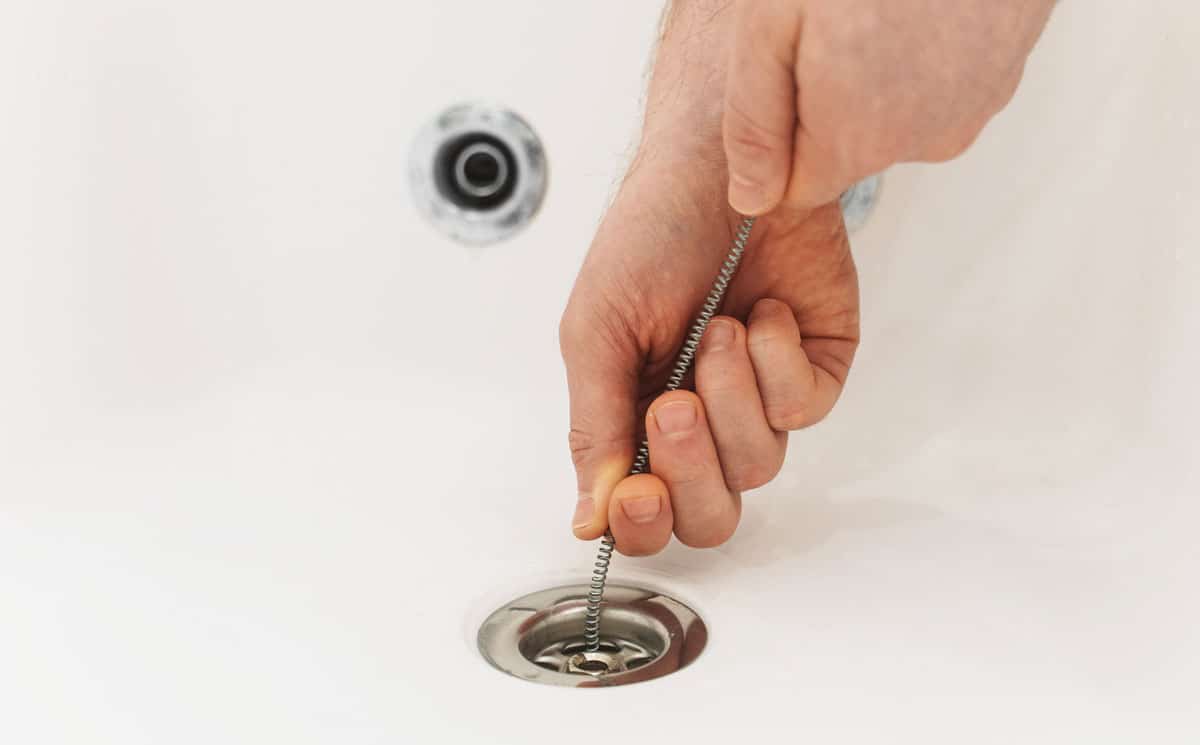
Traditional drain cleaning can consist of a few different methods. The most common is a mechanical drain snake or auger, which is a long metal tool that pokes a hole through clogs to restore normal flow to the drain. Plumbers might also use plungers and special enzyme drain cleaners to help remove stubborn clogs.
What Is Hydro Jetting?
Hydro jetting is a special drain unclogging technique that uses a stream of extremely high-pressure water to blast away stubborn clogs without damaging the pipes. The main advantage of hydro jetting is its extremely thorough cleaning. The water stream scours the inside of the pipes, leaving them smooth and clean.
Hydro Jetting vs. Traditional Drain Cleaning: What’s the Difference?
With traditional drain clearing methods, the goal is to essentially punch a hole through the clog. Depending on what the clog is made up of, the flow of water can sometimes be enough to clear the rest of the clog, though this varies. In other cases, the majority of the clog remains, and will close up again over time.
Hydro jetting, on the other hand, completely clears away any trace of the clog with a stream of water shot at 3,050 to 4,000 PSI. By scouring the pipe’s interior walls, hydro jetting completely clears clogs and prevents them from recurring any time soon.
When Is Traditional Drain Cleaning the Better Choice?
Although hydro jetting is the more advanced, modern drain-clearing method, it’s not always the best option. Here are a few cases where traditional drain cleaning would be a better decision:
- Minor clogs in a single drain (e.g., a hair clog in the shower drain).
- Clogs in brittle or older pipe materials that might not withstand the pressure of hydro jetting.
- Situations where cost is a major concern and you just need a quick, affordable solution.
When Is Hydro Jetting the Better Option?
In other cases, hydro jetting is a far better method of clearing a clogged drain. Cases where hydro jetting would be the better choice for a drain cleanout include:
Grease buildup in kitchen drains
Heavy clogs of fat, oil, and grease can harden and become very difficult to clear, even with a professional armed with a mechanical drain snake or auger. And even if they are able to punch through, there’s a good chance the drain will just clog again in the coming weeks or months. Hydro jetting completely clears these clogs, scours the pipe walls clean, and ensures a smooth drain for much, much longer.
Slow drains throughout the house
Slow drains throughout the home are one of the most common signs of a clogged sewer line. Because of the risks of this issue to your home, it’s important that the clog is entirely removed. Sewer jetting offers a much better result than typical drain cleaning methods for this job.
Tree root intrusion
It’s not uncommon for the roots of water-hungry trees (such as red maple, river birch, and weeping willow here in New Jersey) to break into underground water and sewage lines over the years in search of a water source. If this happens, no drain snake on earth would be able to clear the pipe, but hydro jetting is more than capable of blasting the root away.
Preventative maintenance
In addition to removing stubborn drain clogs, hydro jetting is a great way to maintain your home’s plumbing and get proactive. Because hydro jetting cleans the pipes so thoroughly, having it done once a year all but guarantees you won’t be dealing with a clogged drain any time soon.
Is Hydro Jetting Safe for Every Plumbing System?
Hydro jetting is safe for most plumbing systems, but not all. The main exception is with old and deteriorated pipe materials, which may not be able to handle the extreme water pressure of a hydro jetting machine. If your home uses modern PEX, PVC, ABS, or copper piping, hydro jetting shouldn’t damage your plumbing at all. But if it still uses galvanized steel, cast iron, or lead, it may be better to opt for less impactful drain cleaning methods.
Can Hydro Jetting Damage Pipes?
Hydro jetting generally can’t damage modern pipes in good condition. If your pipe materials are outdated, highly brittle, corroded, or otherwise damaged, hydro jetting could potentially damage them. Your local plumbing pro will always inspect the system thoroughly before going ahead with drain cleaning to ensure they don’t cause you any more problems.
How to Prevent Future Drain Clogs
The best way to deal with a clogged drain? Stop it from happening in the first place! Here are a few tips to help you extend the lifespan of your plumbing and prevent future drain clogs down the line:
- Never flush anything besides toilet paper and human waste down the toilet.
- Keep fat, oil, and grease out of your kitchen drains.
- Use a hair strainer in the shower and bathtub.
- Don’t put heavy or starchy kitchen scraps down the kitchen drain.
- Occasionally flush your drains with hot water or white vinegar.
- Call a plumber as soon as you notice signs of a drain clog.
Signs It’s Time to Call a Plumber
How do you know when it’s time to call for professional drain cleaning help? There are a few common signs that all homeowners should be aware of. Contact an expert if you notice any of the following:
- Multiple clogged drains
- Completely clogged drains
- Sewage backups
- Sewage odors from drains
- Gurgling sounds from drains or toilets
- Recurring clogs
These are all signs that any DIY drain cleaning attempts likely won’t be successful, and that you’ll need a professional’s help. A plumber can conduct a drain line inspection with a special camera, allowing them to get a visual on the problem and determine how best to clear the clog.
Find the Right Drain Cleaning Solution for Your Home
While hydro-jetting offers an impressive range of solutions for drain clogs, it isn’t always the best option. To determine how best to clear a clogged drain in your home, you should always start by talking with an experienced, professional plumber, such as the team at MyGuy Plumbing & Drain. They’ll be able to determine the cause of the clog, evaluate the state of your pipes, and clear the problem away safely, quickly, and permanently. To learn more about drain-clearing methods or to get immediate help with a clogged drain in your home, contact us today.